Date Published: 25/03/2026
The little-known project to restore the spa and restaurant in the waters of the Mar Menor, and why it may not be such a good idea...
A lifelong landmark in Lo Pagán may return to its former glory, but there are serious questions to be answered as to whether it actually should
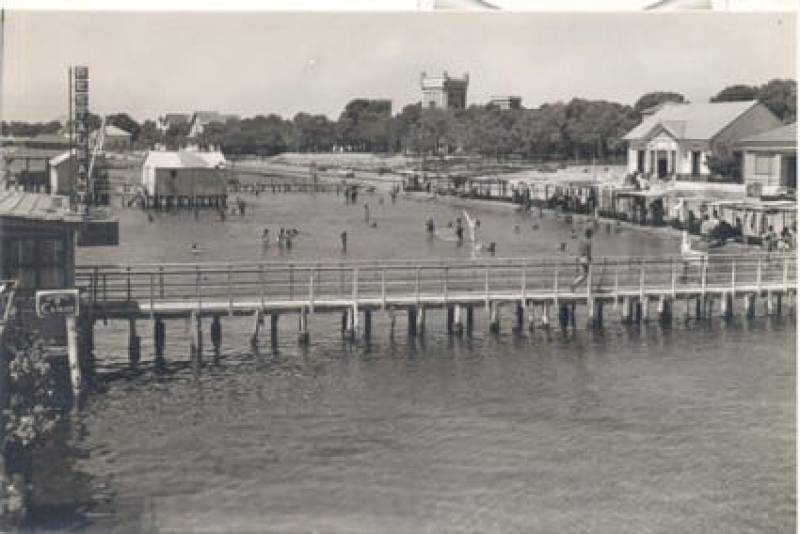
For much of the mid-20th century, the Floridablanca floating spa and restaurant was a defining feature of summers in Lo Pagán, drawing families to the shores of
the Mar Menor in search of sea air, shade and simple pleasures.
Built in 1911 and later protected as a Site of Cultural Interest, its distinctive boat-shaped structure on stilts became one of the most recognisable landmarks along
La Puntica beach, in the municipality of San Pedro del Pinatar.
In its early decades, particularly throughout the 1940s and 50s, Floridablanca was a popular escape from the intense inland heat. Visitors from across the Region of Murcia would gather there to bathe, eat and socialise, turning it into a seasonal hub of life and activity.
Its dual role as both spa and restaurant helped it evolve with the times, even as tourism patterns began to shift and newer coastal developments gradually drew attention elsewhere.
Despite this changing landscape, Floridablanca endured for decades, its ageing wooden structure holding on as a nostalgic reminder of a different era. Its final chapter came in 2009, when it closed following an eviction process authorised by the courts.
The farewell was marked by a final meal served to nearly 200 diners, featuring seafood,
caldero and traditional local desserts, an event that underscored just how deeply rooted the venue was in local memory.
Since then, the site has remained in limbo. Various proposals have emerged over the years suggesting its revival, whether as a museum, a leisure space or even a hotel, but little tangible progress has been made since 2018. Even so, the idea of restoring Floridablanca continues to resurface, often framed as an opportunity to reclaim a lost symbol of the Mar Menor’s cultural heritage.
Floridablanca may come back to life
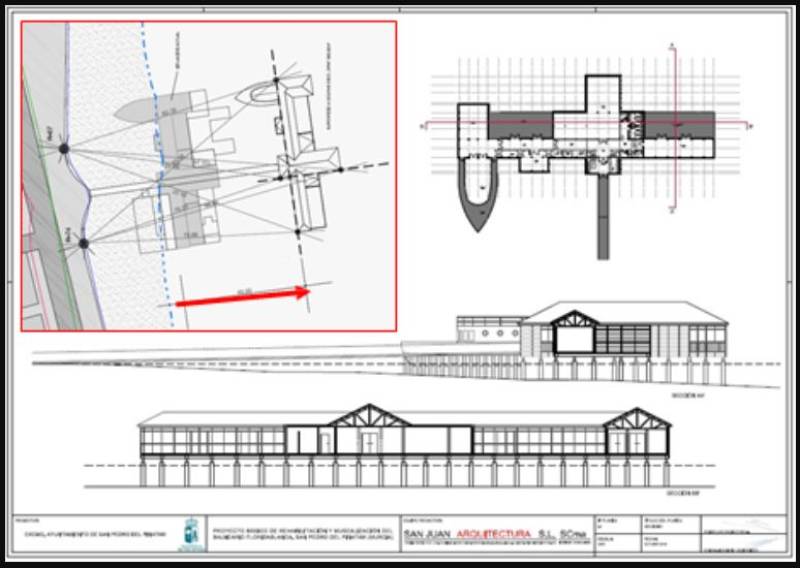
The Regional Government has now confirmed, at the beginning of 2026, that a rehabilitation project has been awarded, with dismantling works expected before summer and reconstruction planned for later in the year.
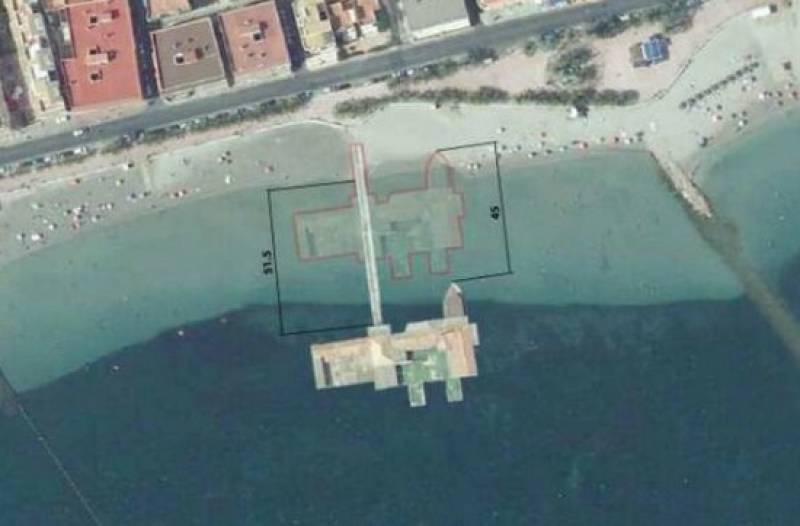
Once completed, the restored structure would combine three uses approved by the local council in San Pedro: as a spa, a restaurant and a museum, aiming to balance tradition with tourism.
Political voices have also entered the debate. The far-right party VOX has criticised the lack of progress and called for urgent action to bring the project to life, arguing that the site represents a strategic opportunity for tourism and local identity. Their position reflects a broader rose-tinted sentiment that Floridablanca could once again become an emblem of the area.
Yet this push for restoration is not without controversy. The Mar Menor is still recovering from a
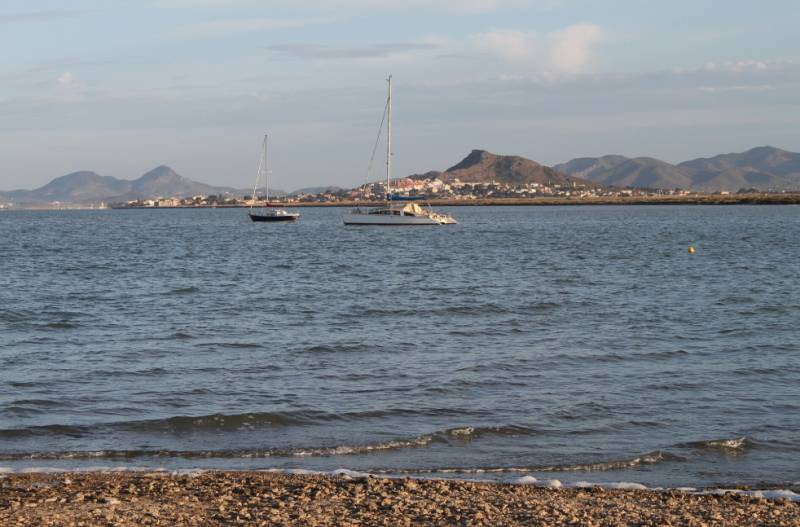
severe environmental crisis that came to a head in 2016, and its fragile ecosystem remains under close scrutiny. The lagoon is subject to multiple layers of environmental protection, including its designation as a Site of Community Importance and a Ramsar wetland, highlighting its ecological sensitivity.
Even the San Pedro del Pinatar Town Council has previously acknowledged the need for caution. While traditional bathing structures can contribute to biodiversity by creating shaded habitats, any reconstruction carries risks. There is the dust, debris and other detritus associated with any construction project to consider.
Earlier assessments required further study of the potential environmental impact, particularly given proposals to install a new platform extending further into the lagoon.
So, given all this, the question is not simply whether Floridablanca can be rebuilt, but whether it should be in the first place. For some, it represents a cherished link to the past worth preserving. For others, attempting to recreate it risks prioritising nostalgia and commercial gain over the long-term health of an already vulnerable natural environment.
Image 1: Pacto por el Mar Menor
Images 2 & 3: Ayuntamiento de San Pedro del Pinatar
article_detail

|