











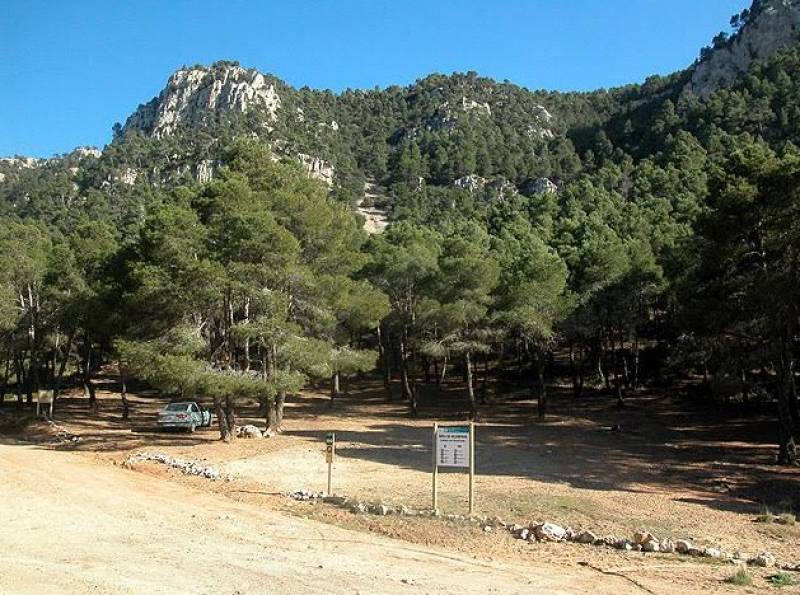








The regional environmental protection authorities of Murcia have unveiled a project to regenerate the population of Pinus nigra (black pine or Austrian pine) trees in the Regional Park of Sierra del Carche, which lies in the northern municipalities of Jumilla and, to a lesser degree, Yecla, consisting of the planting of 339 new trees and measures to help them reach adulthood.
The project is set to take place over an area of 8.52 hectares, and also includes the watering of each sapling with 10 litres of water as well as vigilance and monitoring of the trees’ development. It is anticipated that the action will last for 11 months.
The Sierra del Carche
The regional park of Sierra del Carche occupies a total area of almost 6,000 hectares and includes the Cabezo de la Rosa – a saline diapir of great geological interest – and deep ravines such as those of San Cristóbal, La Guarafía and La Yedra, which in times of heavy rainfall feature waterfalls at El Saltador.
As well as a native fauna including Aleppo and maritime pines, holm oaks, juniper, strawberry trees, esparto grass and lavender, the area’s fauna features birds of prey such as the golden and booted eagles, eagle owls and peregrine falcons. Also present are foxes, badgers and boar, the commonest carnivorous mammals in the local ecosystem.
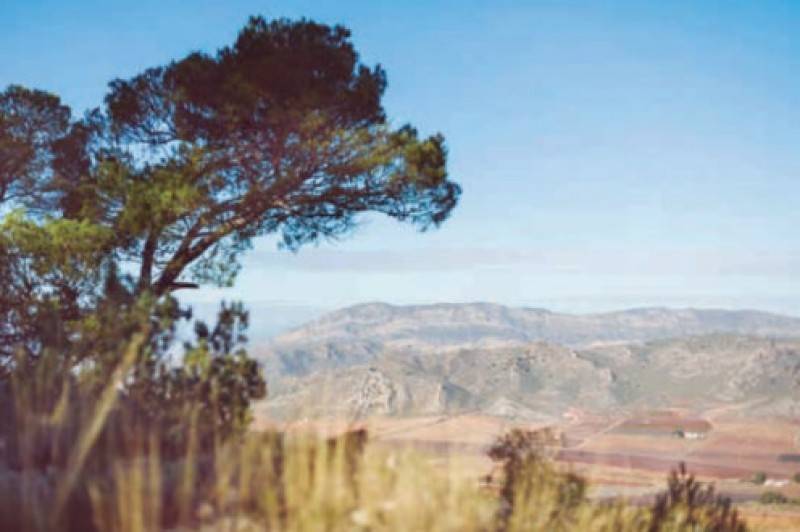 The highest peak in the range, the Madama del Carche, reaches an altitude of 1,372 metres above sea level, and the landscape features also include the picturesque ravine known as Barranco de la Guarafia, the pine forest of the Umbría del Revolcador and the rocky escarpment of Peña del Castelar, offering splendid views. This is a popular destination for hikers, and the locations to head for include the Barranco de San Cristobal (rocky escarpments and dense vegetation), the spectacular rock deposits of La Pedriza, the south-facing Solana de La Alberquilla, the fossil site of “La Curiosa” and the natural spring of La Sanguijuela, which has been used for crop cultivation and human consumption for centuries and, possibly, millennia.
There is evidence of Man having inhabited the mountains from around 5,000 years ago, with Late Stone Age materials having been found at the cave of La Peña del Castelar, and in the Bronze Age (1900-600 BC) there were at least three fortified settlements. (Romania, near Las Pansas, Castillicos del Salero and Solana de los Granaicos.
Iberian sites dating from between 600 and 200 BC have also been found and the remains of Roman villas and aqueducts can be seen at La Graya, Karxa de los Estanquicos and Karxa del Balsón.
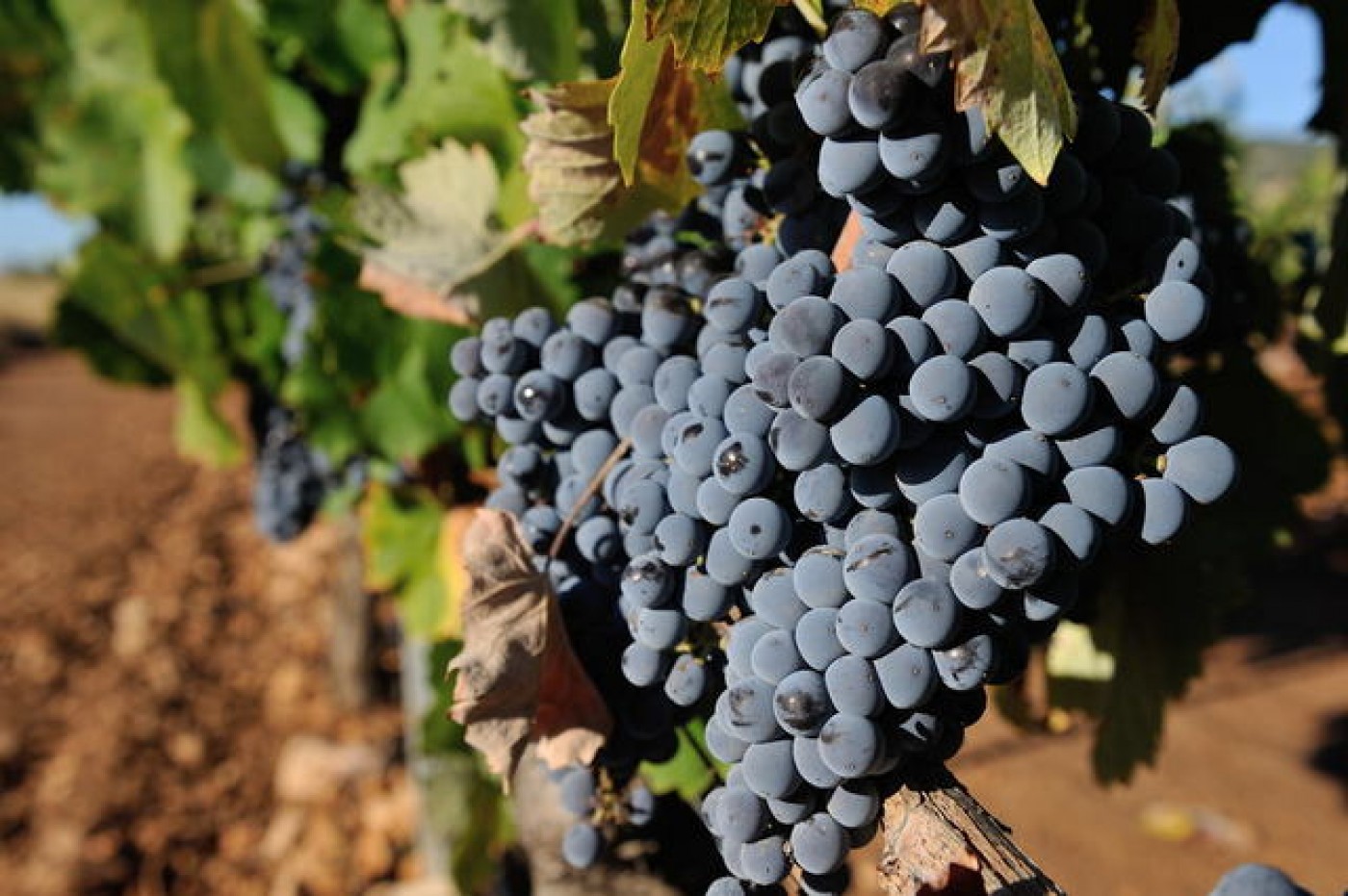
These days, the lower slopes are one of the most important grape-growing areas of the large municipality of Jumilla, with vineyards dominating the area.
For more local news, events and visiting information please contact the tourist office (telephone 968 780237, email oficinaturismo@jumilla.org) or go to the home page of Jumilla Today.
The tourist office in the centre of Jumilla is easily found by driving straight into the centre of the town along the Avenida de Murcia and following the signposts. The tourist office is alongside the Parque de Don Albano Martínez Molina, where there are a number of parking spaces.
Jumilla, in the north of the Region of Murcia, has become internationally famous over recent decades due to the quality of the wines produced in the municipality, and wine tourism has begun to attract visitors from other parts of Spain and the rest of Europe.
The tourist office is happy to provide a range of maps and leaflets showing the different bodegas which can be visited within the municipality. Some of these form part of the Rutas del Vino de Jumilla, the Jumilla wine route, and can either be visited as a guided tour or sell their produce directly to the public.(see feed below for more details)
However, the town and the surrounding countryside have plenty of other attractions for visitors, and the popularity of Jumilla wines is leading more and more people to discover other facets of the tenth largest municipality in Spain.
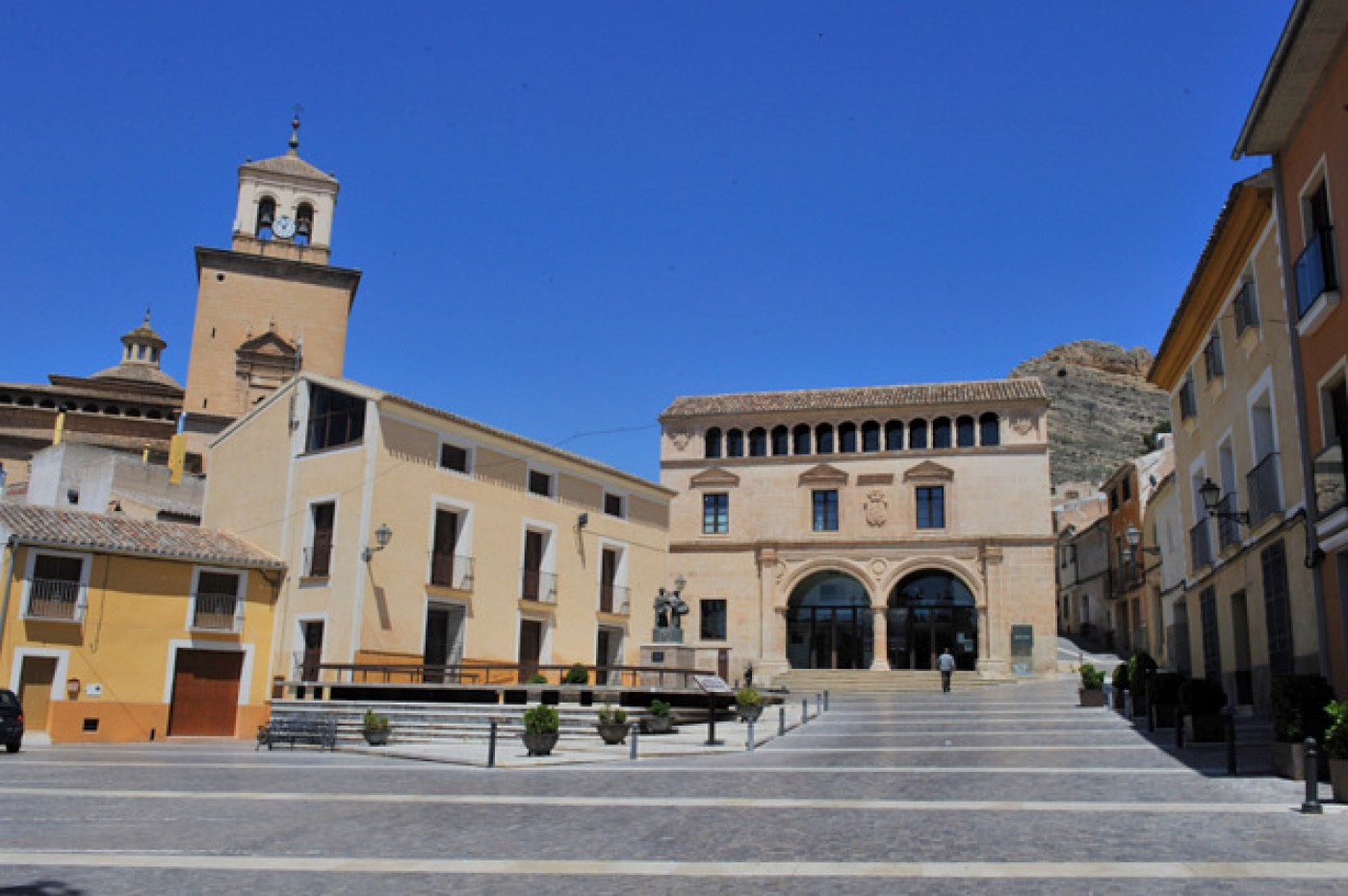
These include the spectacular countryside and birdlife in the Sierra del Carche, the historic remains which range from cave paintings and a Roman mausoleum to the castle, the Iglesia de Santiago, the Town Hall and the Teatro Vico, and the gastronomy: rich stews are accompanied not only by the wines of the area but also by Jumilla pears, which also enjoy Denomination of Origin status.
Tourism in Jumilla is not as seasonal as it is in the coastal areas of the Region of Murcia, but the town is at its liveliest during the fiestas in Holy Week and the August Fair, which incorporates the grape harvest celebrations and the Moors and Christians parades.
The Altiplano of the Region of Murcia, which consists of the municipalities of Jumilla and Yecla, is only just over an hour by car from the Mar Menor, Cartagena, Mazarrón, Torrevieja and Alicante, and anyone wishing to visit real inland Spain and world-class wineries is advised to include Jumilla in their schedule.
Summer
Tuesday to Friday from 10am to 2pm
Saturday and Sunday 10am to 2pm
Monday closed
Winter
Tuesday to Friday from 10am to 2pm and 5pm to 7pm
Saturday and Sunday 10am to 2pm
Monday closed
Click for full information about visiting the Jumilla municipality and its wine bodegas: Jumilla section